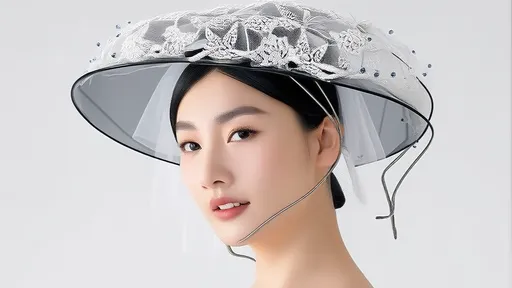
The bridal industry has long been associated with tradition, elegance, and intricate craftsmanship. However, in recent years, a quiet revolution has been taking place behind the scenes—one that merges cutting-edge materials with the timeless beauty of wedding attire. At the forefront of this movement is the use of carbon fiber in bridal headpieces, a material more commonly associated with aerospace engineering and high-performance sports equipment than with delicate bridal accessories. This unexpected marriage of technology and tradition is redefining what’s possible in bridal fashion, offering brides unprecedented comfort, durability, and design flexibility.
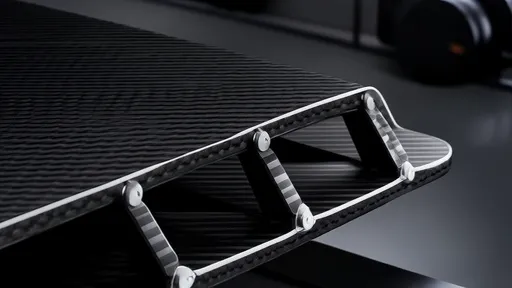
For centuries, bridal headpieces have been crafted from materials like metal, fabric, and delicate wire, often resulting in heavy or cumbersome designs. While beautiful, these traditional materials can cause discomfort during long wedding days, leaving brides with headaches or soreness. Enter carbon fiber—a material renowned for its exceptional strength-to-weight ratio. By incorporating carbon fiber as an internal skeleton within headpieces, designers are creating structures that are remarkably lightweight yet incredibly sturdy. This innovation allows for larger, more dramatic designs that don’t sacrifice comfort, enabling brides to wear elaborate pieces without the usual strain.
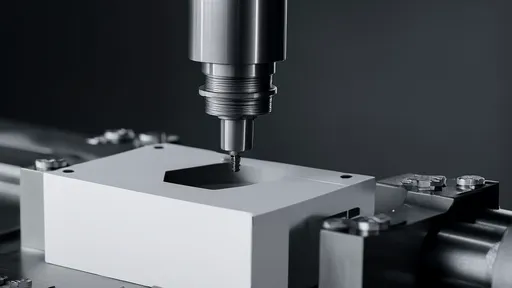
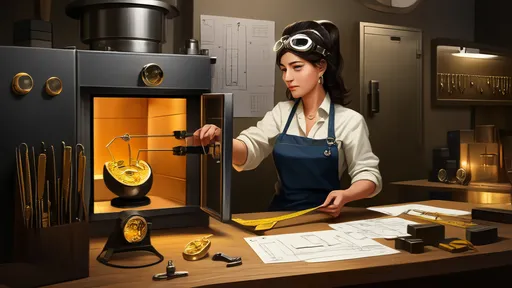
The process of integrating carbon fiber into bridal headwear is both an art and a science. Designers begin by creating intricate 3D models of the desired headpiece, mapping out where structural support is needed most. Thin strands of carbon fiber are then woven into precise patterns, forming a lightweight lattice that serves as the foundation for the decorative elements. This skeleton is often completely hidden beneath layers of lace, pearls, or crystals, maintaining the traditional aesthetic while revolutionizing the wearer’s experience. The result is a headpiece that looks every bit as delicate as its conventional counterparts but performs like a feat of modern engineering.
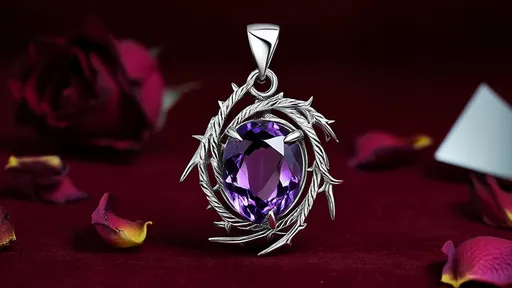
Beyond comfort, carbon fiber offers designers unprecedented creative freedom. Its malleability during the manufacturing process allows for shapes and forms that would be impossible with traditional materials. Flowing, organic curves that mimic vine tendrils or geometric, architectural-inspired designs can all be achieved with precision. Some avant-garde designers are even leaving portions of the carbon fiber structure exposed, creating striking contrasts between the high-tech material and traditional bridal elements. This bold approach appeals to modern brides looking to make a statement while maintaining an air of sophistication.
The durability of carbon fiber headpieces represents another significant advantage. Unlike delicate wire frames that can bend out of shape or metal components that may tarnish over time, carbon fiber maintains its integrity indefinitely. This makes these headpieces ideal heirloom pieces that can be passed down through generations without deterioration. Many designers are capitalizing on this longevity by creating convertible designs—pieces that can be disassembled and reconfigured for different occasions, transforming a bridal headpiece into a stylish hair accessory for formal events long after the wedding day.
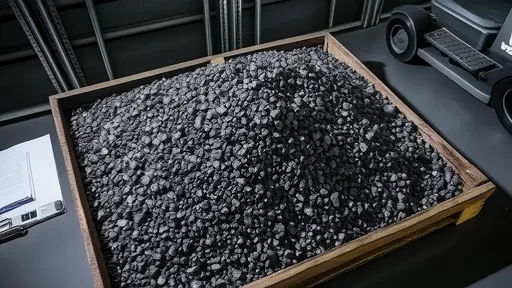
Environmental considerations are also driving the adoption of carbon fiber in bridal wear. As sustainability becomes increasingly important to consumers, the longevity and minimal waste associated with carbon fiber construction appeal to eco-conscious brides. Additionally, the precision of carbon fiber manufacturing results in less material waste during production compared to traditional metalworking techniques. Some designers are taking this a step further by incorporating recycled carbon fiber into their designs, repurposing material from other industries to create truly sustainable luxury items.
While carbon fiber bridal headpieces currently occupy a niche market, industry experts predict rapid growth in this sector. As manufacturing techniques become more refined and accessible, prices are expected to decrease, making these innovative designs available to a broader range of brides. Early adopters of the technology—primarily high-end bridal designers and avant-garde fashion houses—have demonstrated the material’s potential through stunning collections that blend traditional bridal elegance with futuristic flair. The response from both brides and fashion critics has been overwhelmingly positive, signaling a strong market for these revolutionary accessories.
The integration of carbon fiber into bridal fashion represents more than just a technical innovation—it symbolizes the evolving nature of wedding traditions in the 21st century. Today’s brides increasingly seek pieces that reflect both their personal style and their modern values, balancing beauty with practicality and tradition with innovation. As material science continues to advance, we can expect to see even more surprising collaborations between technology and bridal wear, pushing the boundaries of what’s possible in wedding fashion while honoring the timeless desire for beauty and self-expression on one of life’s most important days.
By /Aug 19, 2025
By /Aug 19, 2025
By /Aug 19, 2025
By /Aug 19, 2025

By /Aug 19, 2025
By /Aug 19, 2025

By /Aug 19, 2025
By /Aug 19, 2025
By /Aug 19, 2025
By /Aug 19, 2025
By /Aug 19, 2025
By /Aug 19, 2025

By /Aug 19, 2025
By /Aug 19, 2025
By /Aug 19, 2025
By /Aug 19, 2025
By /Aug 19, 2025
By /Aug 19, 2025

By /Aug 19, 2025
By /Aug 19, 2025
