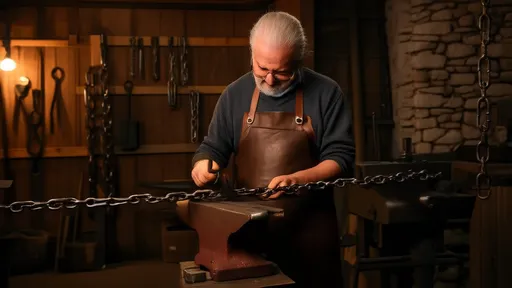
The art of chain-making in Venice is a centuries-old tradition that has been passed down through generations of skilled artisans. Nestled in the labyrinthine alleys of this floating city, a handful of workshops continue to preserve techniques that date back to the Renaissance. These chains are not mere accessories; they are intricate works of art, each link forged with precision and care. The process is slow, deliberate, and deeply rooted in Venetian history, making every piece a testament to the city’s enduring craftsmanship.
What sets Venetian chains apart is the meticulous attention to detail. Unlike mass-produced chains, each link is handcrafted, often using tools and methods that have remained unchanged for centuries. The artisans, known as maestri della catena, begin by selecting the finest metals—typically gold or silver—which are then heated and shaped into delicate loops. The links are carefully soldered together, a process that requires a steady hand and an intimate understanding of the material. The result is a chain that is both durable and exquisitely lightweight, a hallmark of Venetian design.
The secrets of these techniques are closely guarded, often shared only within families or among trusted apprentices. One such method is the “a giorno” technique, where the links are woven so finely that the chain appears almost translucent when held up to light. Another is the “a maglie veneziane”, a complex interlocking pattern that creates a fluid, rope-like effect. These methods are not just about aesthetics; they reflect a deeper philosophy of craftsmanship, where beauty and functionality are inseparable.
The workshops themselves are time capsules, filled with antique tools and the faint hum of activity. In one corner, an artisan might be hammering a thin strip of gold into a perfect circle, while in another, a master craftsman inspects a nearly finished chain under a magnifying glass. The air is thick with the scent of molten metal and the quiet murmur of conversation. There’s no rush here; each chain is given the time it needs to meet the exacting standards of Venetian quality.
Despite the rise of modern manufacturing, these workshops have resisted the temptation to cut corners. The chains they produce are still made to order, often for discerning clients who appreciate the rarity of handcrafted pieces. Some chains take weeks or even months to complete, depending on their complexity. This commitment to tradition has earned Venetian chains a reputation as some of the finest in the world, coveted by collectors and connoisseurs alike.
Yet, the future of this craft is uncertain. Fewer young people are willing to dedicate years to mastering such a demanding skill, and the rising cost of materials has made it increasingly difficult for workshops to sustain themselves. Some artisans have turned to collaborations with contemporary designers, hoping to breathe new life into ancient techniques. Others rely on the patronage of loyal clients who understand the value of preserving this piece of Venetian heritage.
To own a Venetian chain is to own a piece of history. Each link carries the weight of centuries of tradition, the touch of countless hands that have shaped it into existence. It’s a reminder of a time when objects were made to last, when craftsmanship was a language spoken fluently by those who understood its power. In a world dominated by disposable goods, these chains stand as a defiant tribute to the enduring beauty of slow, deliberate creation.

By /Aug 19, 2025

By /Aug 19, 2025

By /Aug 19, 2025
By /Aug 19, 2025

By /Aug 19, 2025

By /Aug 19, 2025

By /Aug 19, 2025

By /Aug 19, 2025

By /Aug 19, 2025

By /Aug 19, 2025

By /Aug 19, 2025

By /Aug 19, 2025

By /Aug 19, 2025

By /Aug 19, 2025

By /Aug 19, 2025

By /Aug 19, 2025

By /Aug 19, 2025

By /Aug 19, 2025

By /Aug 19, 2025

By /Aug 19, 2025
