In an era of fast fashion and disposable clothing, the concept of building a sustainable wardrobe has transitioned from niche interest to essential practice. The environmental and ethical implications of our clothing choices are too significant to ignore, yet many find the shift toward sustainability daunting. The good news is that creating an eco-conscious closet doesn't require a complete overnight overhaul. It is a thoughtful, ongoing process of making more intentional choices, one garment at a time. This journey is about developing a deeper relationship with your clothes, understanding their origins, and ultimately cultivating a personal style that is both authentic and responsible.
The foundation of any sustainable wardrobe begins not with shopping, but with introspection. Before acquiring anything new, it is crucial to thoroughly assess what you already own. Empty your closet completely and take stock of every item. This process is about more than just tidying up; it is an audit of your current style and consumption habits. As you handle each piece, ask yourself honest questions. Do you love it? Does it fit well and make you feel confident? When was the last time you wore it? This exercise often reveals surprising patterns—items bought on impulse, duplicates of the same thing, or garments that no longer align with your lifestyle. This clarity is the first, most powerful step toward mindful consumption.
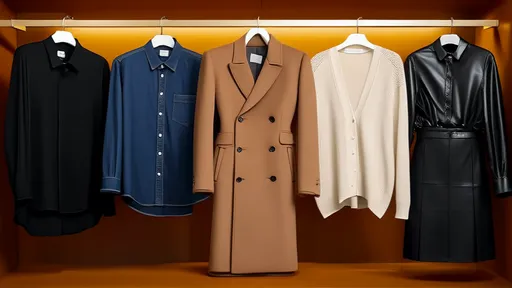
Once you have a clear picture of your existing collection, the next phase involves thoughtful curation. This is where you define the core of your wardrobe. Instead of chasing fleeting trends, focus on identifying and investing in timeless, versatile pieces that you genuinely love to wear. These are the items that form the backbone of your daily outfits—a well-tailored blazer, a perfect pair of jeans, a classic white shirt, a simple knit dress. The goal is to build a cohesive collection where most pieces can be mixed and matched effortlessly. A smaller, more intentional wardrobe reduces decision fatigue, ensures you wear everything you own, and inherently lessens the desire for constant new purchases.
Understanding the materials that make up your clothing is another critical pillar of sustainable fashion. The fibers used in a garment determine not only its feel and longevity but also its environmental footprint from production to disposal. Natural fibers like organic cotton, linen, hemp, lyocell, and wool are generally biodegradable and often have a lower impact than their synthetic counterparts. However, not all natural fibers are created equal; conventional cotton, for instance, is notoriously water-intensive. The key is to become a label reader. Prioritize clothes made from organic, recycled, or sustainably sourced materials. This knowledge empowers you to make choices that support better farming practices, reduce pesticide use, and decrease the reliance on virgin petroleum-based synthetics like polyester.
Perhaps the most direct way to mitigate the environmental impact of your wardrobe is to embrace the world of secondhand and vintage clothing. Shopping pre-loved is an act of giving a garment a second life, diverting it from landfills, and refusing to support the resource-intensive cycle of new production. Thrift stores, consignment shops, and online platforms have made it easier than ever to find high-quality, unique pieces. Vintage shopping, in particular, offers the opportunity to own well-made, historic items that tell a story. This approach to acquisition is not just eco-friendly; it is also a fantastic way to develop a unique personal style that stands apart from homogenized fast-fashion offerings.
When buying new is necessary, the most significant lever for change is supporting brands that are genuinely committed to ethical and sustainable practices. This goes beyond marketing buzzwords like "green" or "eco." True sustainability encompasses fair wages and safe conditions for workers, transparent supply chains, environmentally responsible production methods, and a demonstrable commitment to reducing waste and carbon emissions. Researching brands before you buy is essential. Look for certifications like B Corp, Fair Trade, GOTS (Global Organic Textile Standard), or OEKO-TEX, which provide independent verification of a company's claims. Investing in these brands, though often more expensive upfront, votes with your dollar for a fairer and cleaner industry.
The longevity of your clothes is largely determined by how you care for them. Adopting mindful laundry habits can dramatically extend the life of your garments, saving resources and money. Most clothes do not need to be washed after every wear. Airing them out can often suffice. When you do wash, opt for cold water cycles, which conserve energy and are gentler on fabrics. Line drying is far preferable to machine drying, which is harsh on fibers and consumes significant electricity. Learn basic mending skills—sewing on a button, darning a sock, or patching a hole. These small acts of repair foster a sense of connection and value, transforming clothes from disposable items into long-term companions.
Even with the best care, there will come a time when a garment has reached the end of its wearable life with you. Disposing of it responsibly is the final step in its sustainable journey. The worst option is sending it to landfill, where synthetic fibers will persist for hundreds of years. First, consider if the item can be repurposed into something else, like cleaning rags or a new craft project. If it's still in good condition, donate it to a reputable charity or organize a clothing swap with friends. For damaged textiles, seek out specific recycling programs—many brands and organizations now offer take-back schemes to recycle fibers into new products, closing the loop.
Building a sustainable wardrobe is ultimately a shift in mindset. It is a move away from impulsive, trend-driven consumption and toward a more conscious, curated approach to dressing. It celebrates quality over quantity, story over status, and longevity over novelty. This journey does not demand perfection. It simply asks for more thoughtfulness. Every intentional choice—mending a tear, researching a brand, choosing a natural fiber—is a step toward a system that values our planet and its people. Your wardrobe is a collection of choices, and each one is an opportunity to shape a more sustainable future.
By /Aug 21, 2025

By /Aug 21, 2025
By /Aug 21, 2025
By /Aug 21, 2025

By /Aug 21, 2025

By /Aug 21, 2025

By /Aug 21, 2025
By /Aug 21, 2025

By /Aug 21, 2025

By /Aug 21, 2025

By /Aug 21, 2025

By /Aug 21, 2025

By /Aug 21, 2025

By /Aug 21, 2025

By /Aug 21, 2025

By /Aug 21, 2025

By /Aug 21, 2025

By /Aug 21, 2025

By /Aug 21, 2025

By /Aug 21, 2025
