In the world of fashion, where aesthetics and identity intertwine, the photographer stands as a silent yet powerful architect of brand perception. Far beyond merely capturing garments on a model, the lens becomes a storyteller, a curator of mood, and ultimately, a sculptor of the brand's very soul. The relationship between fashion photography and brand identity is not merely transactional; it is a deeply symbiotic dance where light, shadow, composition, and context coalesce to create an indelible image in the consumer's mind.
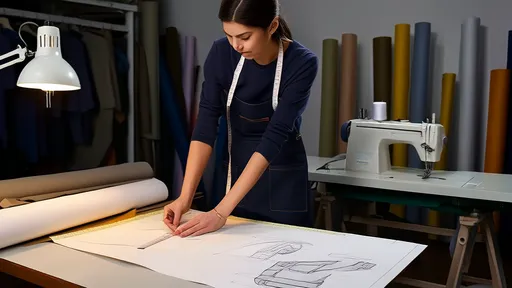
The journey begins not with the click of the shutter, but long before, in the quiet alignment of vision. A profound understanding of the brand's core ethos—its history, its target audience, its aspirational values—is the non-negotiable foundation. Is the brand rebellious and street-savvy, like a early Vivienne Westwood or a modern Off-White? Or is it steeped in timeless, minimalist elegance, echoing the philosophies of Jil Sander or The Row? The photographer must internalize these nuances, translating abstract brand adjectives like "edgy," "romantic," or "austere" into a tangible visual language. This pre-production symbiosis between the creative director and the photographer is where the brand's narrative is first visually encoded.
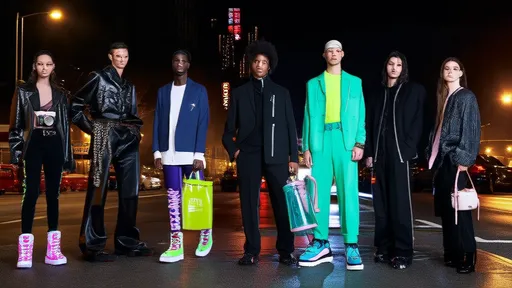
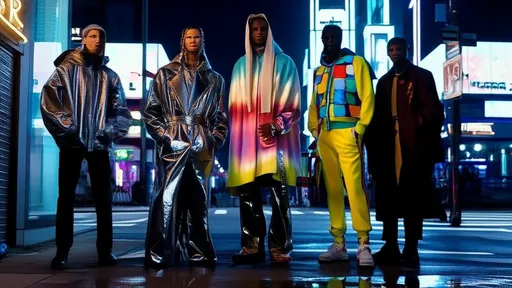
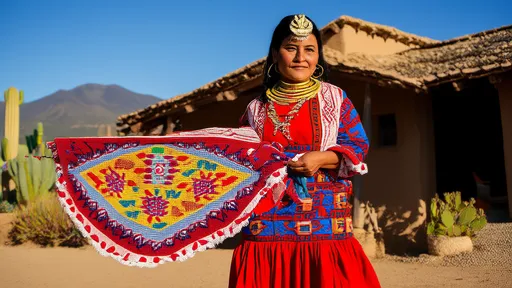
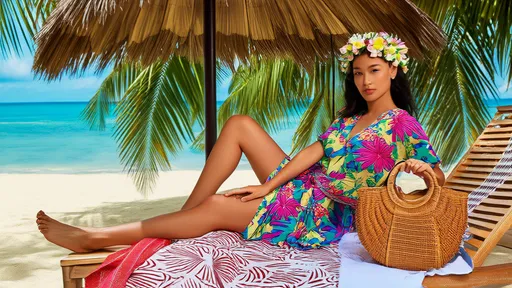
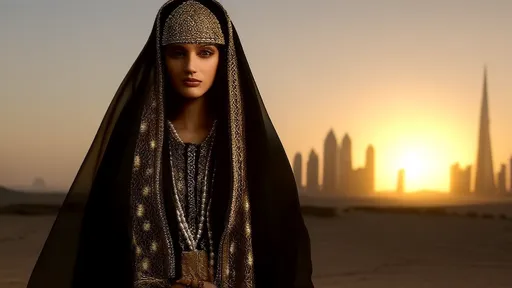
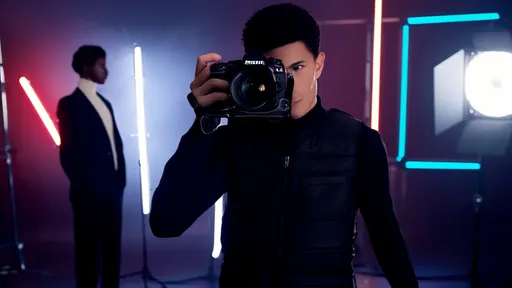
Once the conceptual groundwork is laid, the photographer wields their technical and artistic arsenal to bring the vision to life. Lighting is perhaps the most potent tool in this kit. Hard, directional light can create dramatic shadows and a sense of raw, high-contrast energy, perfect for a brand that wants to project strength and rebellion. Conversely, soft, diffused light, often reminiscent of the great Irving Penn or Paolo Roversi, wraps the subject in an ethereal glow, suggesting luxury, delicacy, and timeless beauty. The choice between a stark studio backdrop and a gritty urban environment or a lush natural landscape is equally deliberate. The setting is never just a location; it is a crucial character in the story, providing context and reinforcing the brand's world. A luxury heritage brand might be shot in a grand, opulent palace to emphasize its history and craftsmanship, while an innovative athleisure label might choose a stark, futuristic setting to highlight its modern technology.
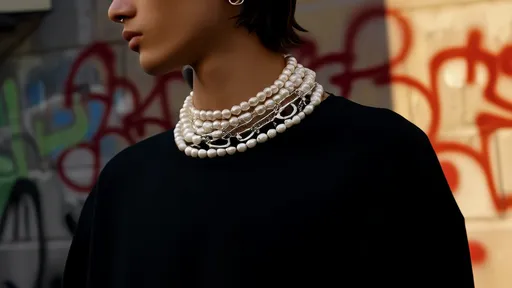
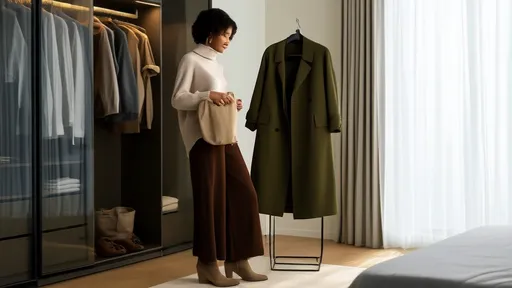
Of course, the human element remains central. The model is not a blank hanger but the embodiment of the brand's spirit. Casting is therefore a critical decision. The model's pose, expression, and even their gaze communicate volumes. A direct, confident engagement with the camera lens can create a sense of intimacy and empowerment, inviting the consumer into the brand's circle. Averted eyes and a more contemplative or detached pose might evoke mystery, luxury, or artistic melancholy. The stylist and photographer work in concert to ensure that clothing is presented in its most dynamic form—fabric must look tactile, movement must feel fluid, and details must be highlighted to showcase quality and design intention. A single image must convince the viewer of the garment's worth and, by extension, the brand's.
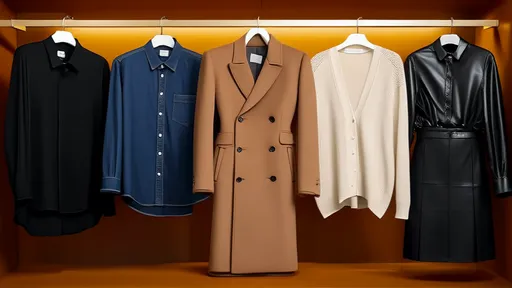
In today's digital ecosystem, the photographer's role has expanded beyond the curated pages of glossy magazines. The relentless demand for content across social media platforms, e-commerce sites, and lookbooks means that a brand's visual identity must be both consistent and adaptable. The aesthetic signature—the distinct combination of color grading, composition, and mood that a photographer develops for a brand—must be instantly recognizable whether it's a sweeping campaign film, a static Instagram post, or a simple product shot on a white background. This visual consistency builds a cohesive brand universe that consumers learn to trust and identify with. It’s the reason why one can often identify a Gucci campaign or a Cos product shot without seeing the logo; the photographic language itself becomes a synonym for the brand.
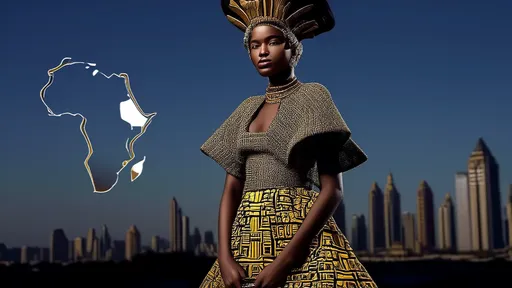
Furthermore, the most impactful fashion photography in the modern era often transcends the simple act of selling a product. It aspires to sell a dream, a lifestyle, an attitude. It leverages cultural references, artistic movements, and social commentary to create images that are resonant and shareable. They become talking points. They generate buzz. This is where the photographer acts as a cultural anthropologist, tapping into the zeitgeist to ensure the brand feels relevant and connected. A powerful campaign can align a brand with contemporary values—sustainability, diversity, body positivity—not through words, but through compelling imagery that demonstrates its commitment authentically.
Ultimately, the photographer's eye is the bridge between the tangible product and the intangible allure of the brand. Through a masterful command of narrative, technique, and emotion, they transform thread and cloth into objects of desire. They build worlds that consumers yearn to be part of. They don't just document fashion; they define it. In the silent dialogue between the image and the viewer, the photographer's vision forges the final, and perhaps most important, piece of the brand's identity: its emotional resonance. This is the alchemy of fashion photography—it is where commerce meets art, and where a brand is truly made.
By /Aug 21, 2025
By /Aug 21, 2025
By /Aug 21, 2025
By /Aug 21, 2025
By /Aug 21, 2025
By /Aug 21, 2025

By /Aug 21, 2025
By /Aug 21, 2025

By /Aug 21, 2025
By /Aug 21, 2025
By /Aug 21, 2025
By /Aug 21, 2025
By /Aug 21, 2025

By /Aug 21, 2025
By /Aug 21, 2025
By /Aug 21, 2025
By /Aug 21, 2025
By /Aug 21, 2025

By /Aug 21, 2025

By /Aug 21, 2025
