The sultry allure of Southeast Asia has long captivated travelers, but its aesthetic influence is now making significant inroads into global commerce. The region's distinctive design ethos—characterized by lush tropical prints, relaxed silhouettes, and an unmistakable vacation vibe—is no longer confined to resort wear or niche boutiques. From high-fashion runways to mainstream retail, the commercial potential of this style is being recognized and harnessed with increasing sophistication. This isn't merely a seasonal trend; it's a reflection of deeper cultural currents and shifting consumer desires that prioritize experience, authenticity, and a connection to nature.
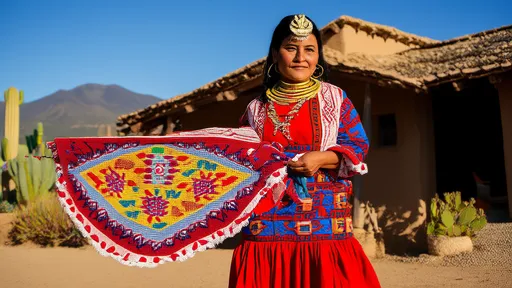
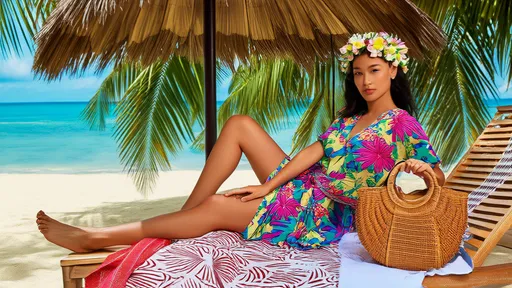
At the heart of this movement are the vibrant, often intricate, tropical prints. These are not your generic palm tree motifs. Authentic Southeast Asian patterns draw from a rich tapestry of cultural heritage, incorporating flora and fauna native to the region, such as hibiscus flowers, banana leaves, and exotic birds, often rendered in a bold, saturated color palette. The craftsmanship behind these designs, frequently involving traditional techniques like batik or hand-block printing, adds a layer of artisanal value that resonates with modern consumers seeking products with a story. This authenticity is a key differentiator in a market saturated with mass-produced goods.
The appeal of the resort wear segment, the traditional home for such aesthetics, has exploded beyond its original boundaries. What was once a category defined by clothing for actual vacations has evolved into a year-round style philosophy. The resort collection is now a critical and highly anticipated season for major fashion houses, and its influence trickles down to fast fashion and lifestyle brands. The demand for airy linen shirts, flowing maxi dresses, and elegant yet comfortable separates is driven by a broader casualization of dress codes and a collective yearning for the tranquility and escape that these clothes symbolize.
This stylistic shift is powerfully aligned with several dominant consumer trends. The rise of experiential consumption means people are increasingly spending money on travel and lifestyle products that enhance their quality of life and offer a sense of escape. Southeast Asian-inspired fashion and home decor tap directly into this, selling not just a product but a feeling—a promise of leisure, warmth, and exotic adventure. Furthermore, the global focus on wellness and mindfulness finds a perfect partner in this aesthetic. The natural motifs and relaxed fits promote a sense of harmony and ease, which is highly coveted in today's fast-paced world.
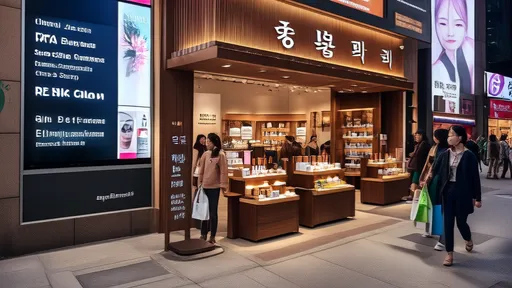
The commercial application of this trend extends far beyond apparel. The lifestyle and home decor market is a massive area of opportunity. Think rattan furniture, bamboo accessories, tropical-print bedding, and ceramic tableware adorned with ethnic patterns. Hotels and restaurants are also leveraging this style to create immersive environments that transport guests. This total lifestyle branding approach allows consumers to surround themselves with the aesthetic, significantly expanding the market potential beyond a single clothing purchase.
However, for businesses looking to capitalize on this potential, sensitivity and strategy are paramount. The line between appreciation and appropriation is fine. Brands must engage with these styles respectfully, ideally through collaborations with local Southeast Asian artists and artisans or by ensuring ethical sourcing and production within the region itself. This not only mitigates cultural insensitivity but also enhances the brand's story with genuine authenticity, which is a powerful marketing tool. Consumers, especially younger demographics, are increasingly savvy and can detect insincerity from a mile away.
In terms of market strategy, digital-native vertical brands (DNVBs) are particularly well-positioned to lead this charge. Their agile supply chains allow for testing designs quickly, and their direct-to-consumer model is perfect for telling a compelling brand story centered around craftsmanship and origin. Social media platforms, particularly Instagram and Pinterest, which are highly visual and inspiration-driven, are ideal for showcasing the vibrant colors and textures of this style, building desire and community among target audiences.
Looking forward, the commercial viability of the Southeast Asian aesthetic seems robust. It is flexible enough to be interpreted in high-end luxury collections or accessible fast fashion. It aligns with enduring values like sustainability (when executed with natural materials and ethical practices), wellness, and the desire for authentic experiences. As the world continues to globalize, yet seeks unique cultural connections, the demand for designs that offer a tangible link to the beauty and spirit of Southeast Asia is likely not just a passing trend, but a lasting and profitable segment of the global market.
By /Aug 21, 2025

By /Aug 21, 2025
By /Aug 21, 2025
By /Aug 21, 2025

By /Aug 21, 2025

By /Aug 21, 2025

By /Aug 21, 2025
By /Aug 21, 2025
By /Aug 21, 2025
By /Aug 21, 2025
By /Aug 21, 2025

By /Aug 21, 2025

By /Aug 21, 2025

By /Aug 21, 2025

By /Aug 21, 2025

By /Aug 21, 2025

By /Aug 21, 2025

By /Aug 21, 2025

By /Aug 21, 2025

By /Aug 21, 2025
