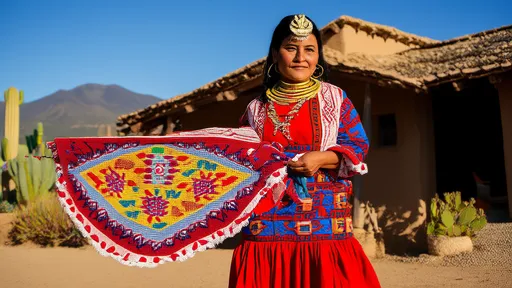
In the bustling markets of Oaxaca, where the air hums with the rhythm of artisans at work, a vibrant tapestry of Latin American creativity unfolds. The vivid hues of handwoven textiles, the intricate patterns of ceramic ware, and the soulful craftsmanship of wooden carvings are not merely products; they are stories woven into the very fabric of a culture known for its passion and warmth. For decades, these artisanal treasures remained largely confined to local communities, cherished but unseen by the wider world. Today, however, they are embarking on a remarkable journey onto the global stage, capturing hearts and imaginations far beyond their origins.
The explosion of color that defines Latin American handicrafts is no accident. It is a language in itself, speaking of sun-drenched landscapes, lush rainforests, and spirited festivals. From the deep blues reminiscent of the Caribbean Sea to the fiery reds echoing traditional dances, each shade carries meaning. Indigenous communities have long used natural dyes—cochineal insects for crimson, indigo plants for blue, and annatto seeds for orange—to imbue their creations with both beauty and symbolism. This palette, once a well-kept secret, now dazzles international audiences, turning heads in fashion runways, home décor magazines, and art galleries worldwide.
What sets these crafts apart is not just their visual appeal but the hands that make them. Behind every piece lies generations of knowledge, often passed down orally within families. In remote villages across Peru, Guatemala, or Mexico, artisans spend weeks, sometimes months, perfecting a single item. Whether it’s a finely embroidered huipil or a meticulously painted alebrije, the process is a labor of love and patience. This dedication to tradition, combined with an innate creativity, results in works that are both timeless and contemporary—a blend that global consumers increasingly crave in an age of mass production.
The digital revolution has been a game-changer for these artisans. Where once their reach was limited to tourist sales or local fairs, platforms like Etsy, Instagram, and dedicated fair-trade websites have flung open the doors to international markets. A weaver in Bolivia can now sell her textiles directly to a designer in Paris; a potter in Colombia can ship his wares to a collector in Tokyo. Social media, in particular, has allowed craftspeople to share their stories, processes, and cultures, building emotional connections that transcend borders. This authenticity resonates deeply with modern buyers who value not just the product, but the narrative behind it.
Recognition on the world stage has also been bolstered by collaborations with global brands and designers. Major names in fashion and interior design are increasingly turning to Latin American artisans for inspiration and partnership. These collaborations often highlight traditional techniques while infusing them with a modern twist, creating pieces that are both culturally rich and commercially viable. Such ventures not only provide economic opportunities for artisans but also validate their crafts as high art, worthy of international acclaim and premium pricing.
Yet, this global journey is not without its challenges. As demand grows, so does the risk of cultural appropriation and exploitation. Some worry that commercialization might dilute the authenticity of these crafts or pressure artisans to prioritize quantity over quality. Moreover, the reliance on natural materials and traditional methods can clash with the scale and pace of global markets. However, many cooperatives and NGOs are stepping in to ensure that growth is ethical and sustainable, protecting both the artisans’ livelihoods and the cultural integrity of their work.
Ultimately, the story of Latin American colors and crafts going global is one of resilience and celebration. It is a testament to how beauty born from passion can transcend geographical and cultural barriers. As these artisans continue to share their heritage with the world, they do more than sell products; they invite us into their homes, their histories, and their hearts. And in doing so, they remind us that in a world often dominated by uniformity, there is irreplaceable value in the handmade, the colorful, and the passionately crafted.

By /Aug 21, 2025

By /Aug 21, 2025

By /Aug 21, 2025

By /Aug 21, 2025

By /Aug 21, 2025

By /Aug 21, 2025

By /Aug 21, 2025
By /Aug 21, 2025

By /Aug 21, 2025

By /Aug 21, 2025

By /Aug 21, 2025

By /Aug 21, 2025
By /Aug 21, 2025

By /Aug 21, 2025

By /Aug 21, 2025

By /Aug 21, 2025

By /Aug 21, 2025

By /Aug 21, 2025

By /Aug 21, 2025

By /Aug 21, 2025
