In the ever-evolving landscape of cinema, costume design remains one of the most potent yet understated narrative tools, silently shaping characters and defining eras. The visual language of film fashion transcends mere aesthetics; it becomes a cultural timestamp, influencing not only what audiences see on screen but also what they wear in their daily lives. From the sleek minimalism of dystopian futures to the opulent extravagance of period dramas, contemporary style continues to draw profound inspiration from the silver screen. The dialogue between fashion designers and costume artists has never been more dynamic, creating a symbiotic relationship that blurs the lines between reel and real life.
Among the most iconic influences in recent memory is the stark, architectural elegance of Blade Runner 2049. The film’s costume designer, Renée April, crafted a world where texture and silhouette speak volumes about societal hierarchy and emotional isolation. The long, structured coats worn by Ryan Gosling’s character, K, evoke a sense of melancholy and precision, mirroring his existential journey. Meanwhile, the sharp, minimalist tailoring of the futuristic apparel has seeped into modern high fashion, inspiring collections that prioritize clean lines, monochromatic palettes, and functional yet dramatic outerwear. This aesthetic champions a kind of brutalist beauty—raw, imposing, and utterly captivating.
In stark contrast, the opulent world of The Great Gatsby (2013) brought the roaring twenties back to life with a lavishness that left an indelible mark on contemporary formalwear. Catherine Martin’s Oscar-winning designs dripped with Art Deco embellishments, sequins, and fringe, capturing the decadence and turbulence of the Jazz Age. The film ignited a resurgence in Gatsby-esque glamour, with beaded dresses, tailored tuxedos, and headbands becoming staples at weddings, galas, and high-end parties. This revival wasn’t merely about nostalgia; it was about embracing a sense of theatricality and romance in an otherwise minimalist-dominated era.
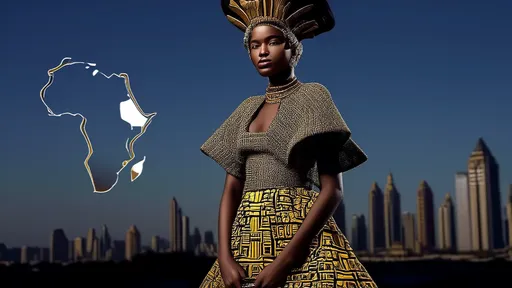
Another pivotal moment in film fashion arrived with Black Panther, where Ruth E. Carter’s Afrofuturist vision redefined what empowerment looks like on screen. The costumes blended traditional African elements with cutting-edge technology, creating garments that were both culturally rooted and forward-thinking. The regal attire of the Wakandan royalty, adorned with vibrant colors, intricate patterns, and symbolic accessories, celebrated African heritage while inspiring a global movement toward bold, identity-driven fashion. This influence is evident in the rise of statement prints, headwraps, and designs that honor craftsmanship and cultural storytelling.
Meanwhile, La La Land offered a sun-drenched, modern take on classic Hollywood glamour. Mary Zophres’ designs for Emma Stone’s character, Mia, combined vintage silhouettes with contemporary ease, from her yellow dress that became an instant icon to the effortless, dance-friendly outfits that punctuate the film. This approachable yet dreamy style resonated deeply, encouraging a return to feminine shapes, bright colors, and outfits that feel both nostalgic and fresh. It’s a reminder that fashion can be joyful and expressive without sacrificing comfort or practicality.
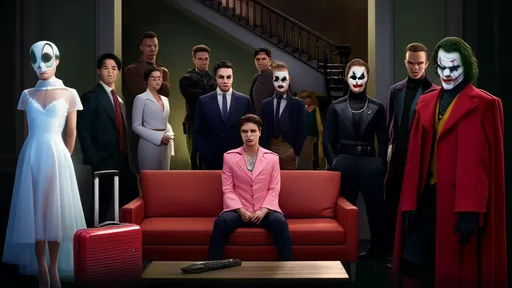
On the darker end of the spectrum, Joker presented a gritty, character-driven style that has permeated streetwear and avant-garde fashion. The film’s costume designer, Mark Bridges, used color and fit to reflect Arthur Fleck’s unraveling psyche—the ill-fitting suits, the hauntingly vivid red of his jacket, and the decayed elegance of his wardrobe. This look has been adopted by those who resonate with its raw, unsettling authenticity, inspiring a trend toward oversized tailoring, clashing colors, and a deliberate embrace of imperfection. It’s fashion as a form of social commentary, challenging polished norms and embracing dissonance.
In Crazy Rich Asians, the wardrobe became a character in itself, illustrating the clash and fusion of old money and new aspirations. Costume designer Mary E. Vogt outfitted the ensemble in a dazzling array of luxury brands and custom creations, from Eleanor Sung-Young’s impeccably tailored cheongsams to Rachel Chu’s modern, elegant gowns. The film highlighted the power of fashion as a status symbol and a cultural bridge, influencing trends in sophisticated eveningwear, statement accessories, and the incorporation of traditional Asian elements into contemporary design. It’s a celebration of opulence with depth, where every outfit tells a story of identity and ambition.
The Devil Wears Prada remains a touchstone for the intersection of fashion and ambition, more than a decade after its release. Patricia Field’s iconic styling, particularly for Meryl Streep’s Miranda Priestly, defined a certain kind of powerful, minimalist chic—think sharp tailoring, luxurious fabrics, and accessories that command attention. The film’s impact endures in corporate and high-fashion circles, where the message is clear: clothes are armor, and style is strategy. It taught a generation that dressing well isn’t frivolous; it’s a language of confidence and competence.
Another film that left a lasting impression is Call Me by Your Name, which captured the lazy, sun-soaked elegance of 1980s Italy. The costuming, by Giulia Piersanti, emphasized soft fabrics, relaxed fits, and a palette of warm neutrals that evoked nostalgia and sensuality. Timothée Chalamet’s character, Elio, became an unlikely style icon with his vintage shirts, shorts, and effortless layering. This look has inspired a move toward understated, romantic menswear and womenswear that values comfort and subtlety over ostentation, proving that sometimes the quietest outfits speak the loudest.
Mad Max: Fury Road brought a post-apocalyptic punk aesthetic to the mainstream, with Jenny Beavan’s designs embracing a DIY, rugged utilitarianism. The distressed leather, mismatched armor, and gritty accessories created a world where fashion is born of necessity and rebellion. This influence is visible in the popularity of combat boots, layered accessories, and a generally deconstructed approach to style that values individuality and resourcefulness over polish. It’s a testament to the idea that beauty can emerge from chaos, and that fashion can be both fierce and functional.
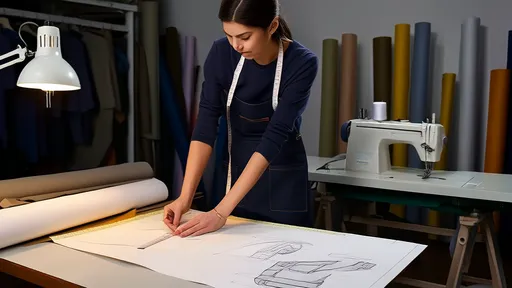
Finally, Phantom Thread offered a mesmerizing glimpse into the world of high couture, with Mark Bridges’ designs reflecting the obsession and artistry of 1950s fashion. The exquisite dresses worn by Vicky Krieps and Lesley Manville are studies in precision, texture, and silhouette, reminding audiences of the transformative power of clothing. The film has reinvigorated appreciation for craftsmanship, custom tailoring, and the idea of garments as art. It’s a love letter to the details—the drape of a fabric, the placement of a seam—that define true luxury.
These ten films, each unique in tone and setting, demonstrate the profound and enduring relationship between cinema and style. They remind us that costume design is not merely about clothing characters but about building worlds, conveying emotions, and sparking conversations that extend far beyond the screen. As fashion continues to evolve, it will undoubtedly draw from these rich visual narratives, ensuring that the dialogue between film and style remains as vibrant and influential as ever.
By /Aug 21, 2025
By /Aug 21, 2025
By /Aug 21, 2025
By /Aug 21, 2025
By /Aug 21, 2025
By /Aug 21, 2025
By /Aug 21, 2025
By /Aug 21, 2025

By /Aug 21, 2025
By /Aug 21, 2025
By /Aug 21, 2025
By /Aug 21, 2025
By /Aug 21, 2025

By /Aug 21, 2025
By /Aug 21, 2025
By /Aug 21, 2025
By /Aug 21, 2025
By /Aug 21, 2025
By /Aug 21, 2025

By /Aug 21, 2025
